Growth leaders in enterprises continuously seek strategies that yield measurable sales impact. Two foundational marketing approaches often lead the conversation: push marketing and pull marketing. Understanding the nuances between these tactics can help optimize your marketing campaigns and better engage potential customers in the AI economy.
Defining Push Marketing
Push marketing, sometimes referred to as outbound marketing, involves proactively delivering messages to potential customers who may not be actively seeking your products. Typical examples include cold outreaches such as unsolicited emails, display advertisements, and other outreach efforts that interrupt users' daily routines. This approach is about putting your brand in front of prospects at random times or places to spark interest.
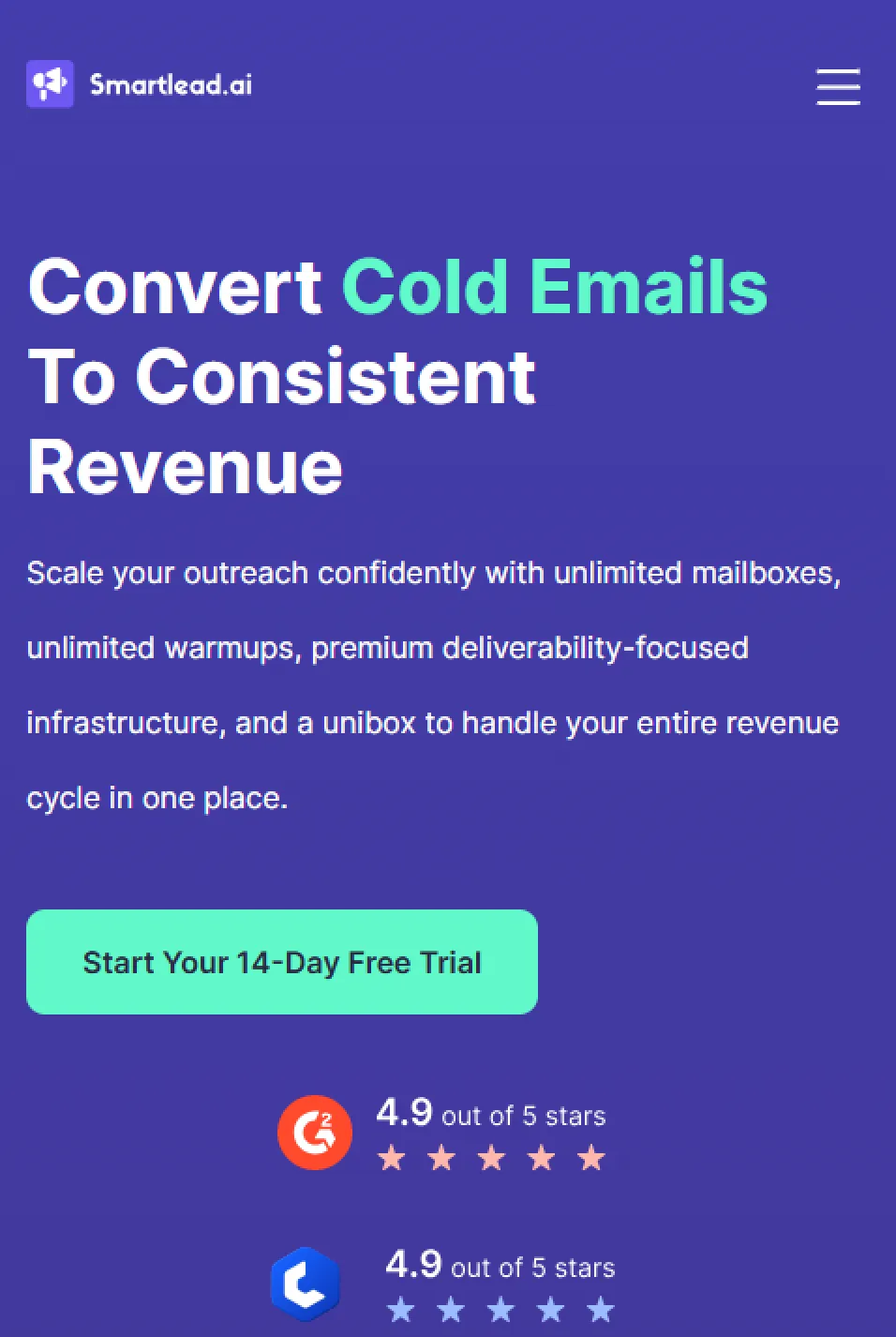
Tools like SmartLead demonstrate how AI can refine push marketing. SmartLead specializes in cold email campaigns, with lead intent categorization and CRM integration. By improving email deliverability and targeting based on user signals, it helps enterprises conduct drip campaigns that nurture leads more effectively. When used thoughtfully, push marketing supported by AI tools can generate initial awareness and create new sales conversations.
Understanding Pull Marketing
In contrast, pull marketing,also known as inbound marketing,relies on attracting customers who are already in a buyer's journey or actively searching for solutions. Rather than interrupting their experience, pull marketing meets users where they seek information, making these leads more qualified and engaged.
Examples include search engine optimization (SEO), content marketing like YouTube videos or insightful blog posts, workshops, and referral programs. marllm exemplifies an AI tool that supports pull marketing by automating SEO and content creation, enhancing organic inbound traffic, and re-engaging users through intelligent campaigns across traditional and emerging channels. Enterprises leveraging this tool can significantly speed up content generation and capitalize on natural customer interest.
When to Use Push vs. Pull Marketing
Both strategies have distinct roles depending on the sales cycle stage and business objectives.
-
Push Marketing tends to be effective at generating initial awareness, reaching new audiences who may not yet know about your offerings. It’s impactful for quick market penetration or promoting new launches. However, the risk lies in lower engagement as recipients might not be primed to buy.
-
Pull Marketing excels in nurturing qualified leads and converting prospects already seeking your products or solutions. It builds trust and brand authority over time but requires consistent content investment and longer lead times.
For digital growth leaders, integrating both approaches can create a complementary funnel: push strategies initiate contact and spark curiosity, while pull initiatives deepen relationships and drive conversions.
Enhancing Sales Outcomes with Personalized Content
Another dimension to consider is personalizing outreach to increase engagement and reduce customer acquisition costs. Sendspark offers AI-powered personalized video emails within outbound campaigns, enabling enterprises to stand out in crowded inboxes. Personalized videos can improve onboarding, follow-ups, and overall lead nurturing.
Conclusion
In today's AI-driven digital marketing ecosystem, the choice between push and pull marketing isn't a strict either-or. Digital growth leaders in enterprises should judiciously blend push tactics like AI-optimized cold emails with pull strategies centered on inbound content and organic search optimization. Leveraging advanced AI platforms,SmartLead for targeted cold outreach, marllm for scalable inbound content creation, and Sendspark for personalized video communication,can enhance your sales pipeline while aligning marketing efforts with customer intent.
For enterprises aiming to scale sales efficiently, understanding the strengths and contexts for push versus pull marketing remains foundational. A balanced, data-informed strategy powered by AI technologies will help future-proof growth in the evolving digital economy.








/26.png "sales")