Enterprises face mounting challenges in accurately segmenting customers to drive growth. Disparate systems and inconsistent classification methods often lead to fragmented insights, hindering effective decision-making across sales, risk, and compliance departments. Leveraging AI to streamline customer segmentation has emerged as a pivotal strategy for digital growth leaders aiming to unify data and optimize workflows.
A compelling example comes from RAMP, a finance business managing complex accounting, card operations, and expense processes. They confronted a core issue: multiple, inconsistent customer classifications that lacked traceability and audit stability. Fragmented taxonomies meant that collaboration between their sales, risk, and compliance teams was fraught with inaccuracies and inefficiencies.
To address these obstacles, RAMP implemented an AI-powered system integrating advanced customer classification techniques. Their approach blended various models,including text embeddings, similarity scoring, and large language models (LLMs),to interpret and classify incoming customer data effectively. This multi-stage, multimodel process delivered a unified classification framework that both simplified workflows and enhanced decision traceability.
The result? RAMP achieved a 60% increase in accuracy across teams, fostering consistency and improving compliance oversight. This case underscores how digital marketing organizations can harness applied AI to reconcile complex data sets and refine customer segmentation.
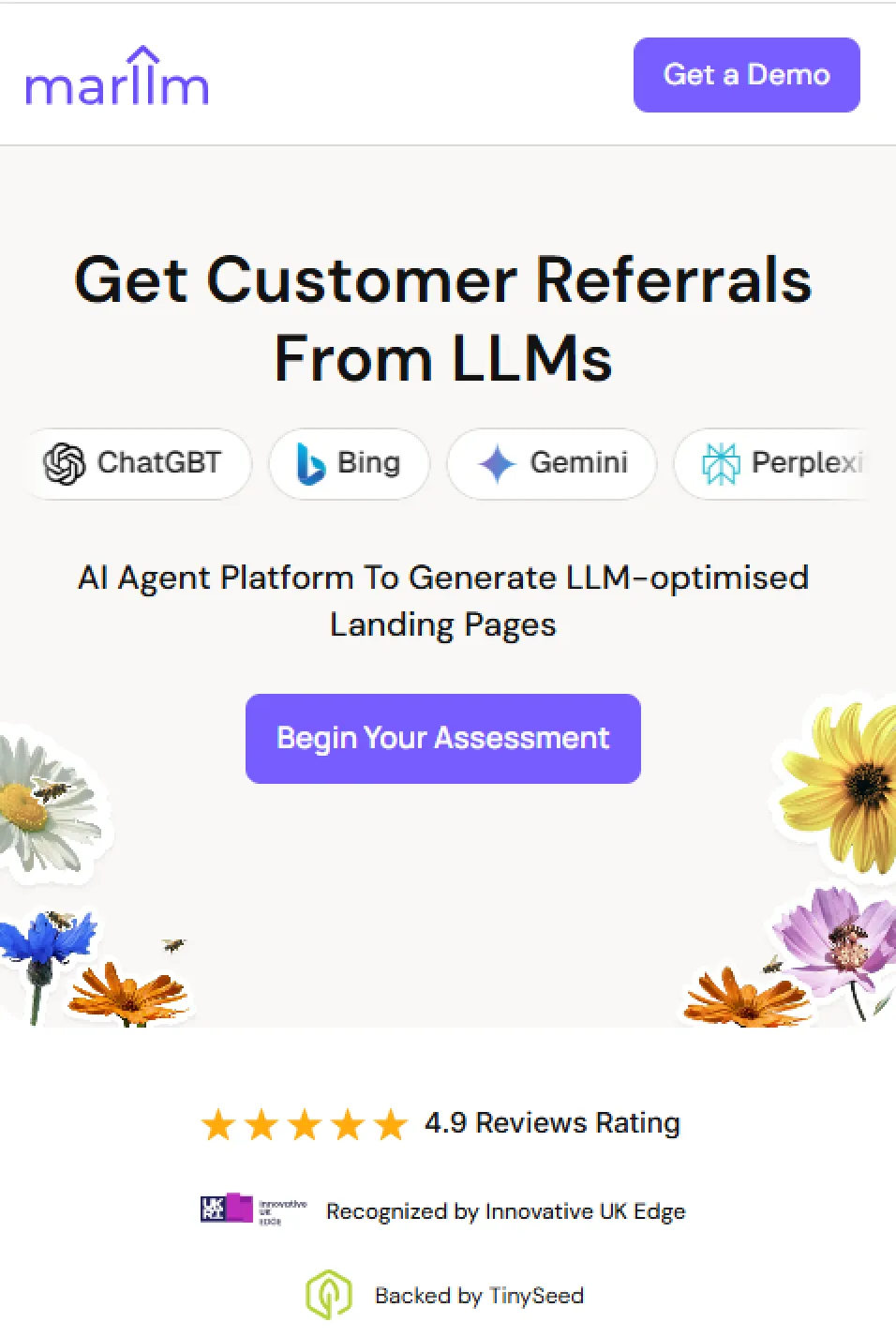
For enterprises seeking to emulate this success, tools like marllm’s AI Marketing Consultation offer scalable strategies integrating cutting-edge global marketing, SEO, and AI expertise. Meanwhile, marllm’s AI platform excels in inbound content generation, creating SEO-optimized landing pages and driving organic traffic growth through AI-powered search and referral channels.
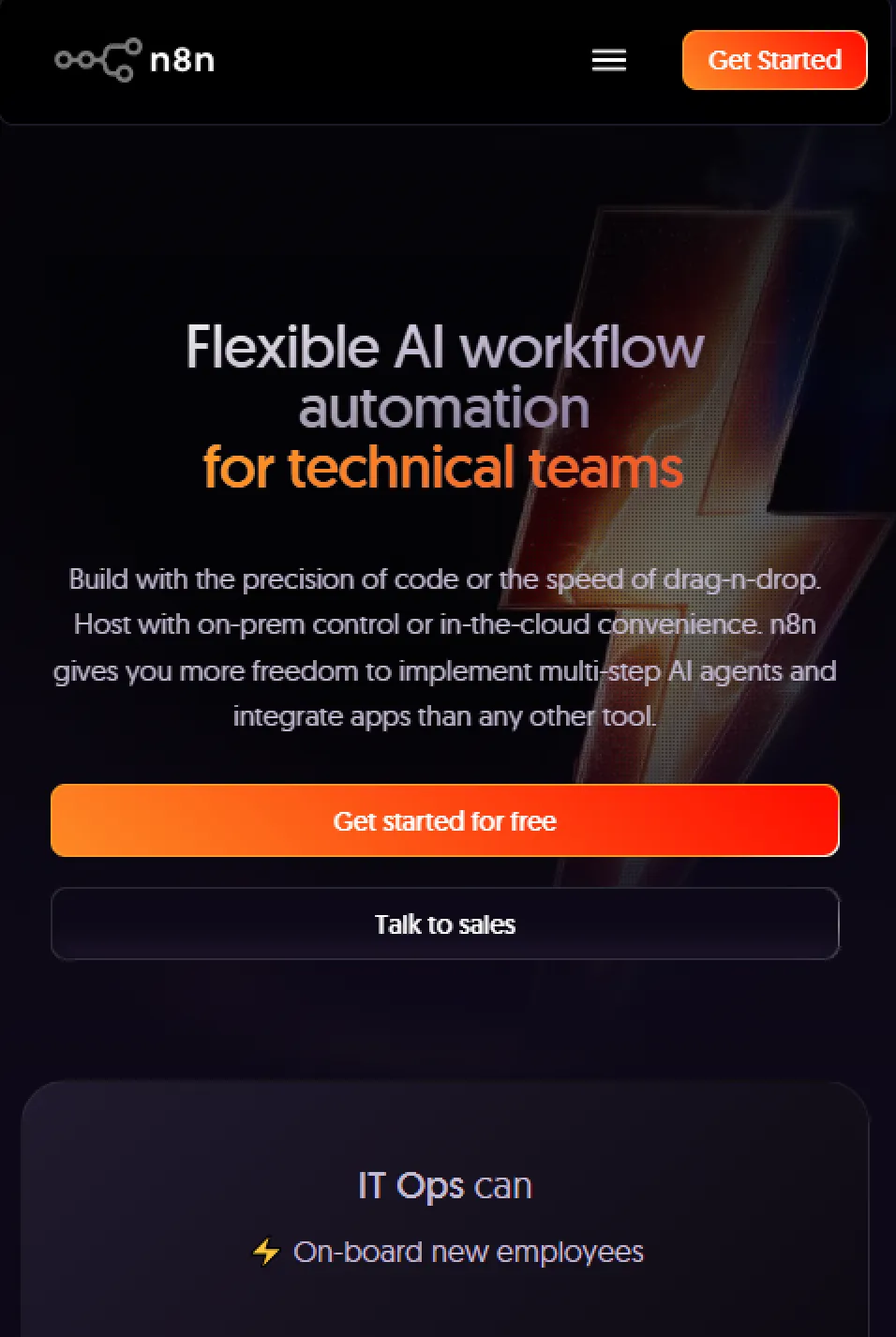
Additionally, n8n’s no-code workflow automation enhances sales operations by seamlessly connecting applications and automating lead management, multi-channel campaigns, and reporting tools. This reduces manual errors and accelerates campaign execution, critical for maintaining agility in digital marketing.
Embracing AI to streamline customer segmentation not only improves classification accuracy but also enables more coordinated efforts among enterprise teams, ensuring marketing strategies are both data-driven and precisely targeted. By leveraging AI tools tailored for digital marketing and sales processes, growth leaders can accelerate revenue while enhancing compliance and risk management.
To explore how your enterprise can integrate these AI-driven growth tools, consider engaging with marllm’s expert consultations. A strategic adoption of AI leads to more consistent customer insights and a stronger foundation for sustainable enterprise growth in the AI economy and beyond.